Loading...
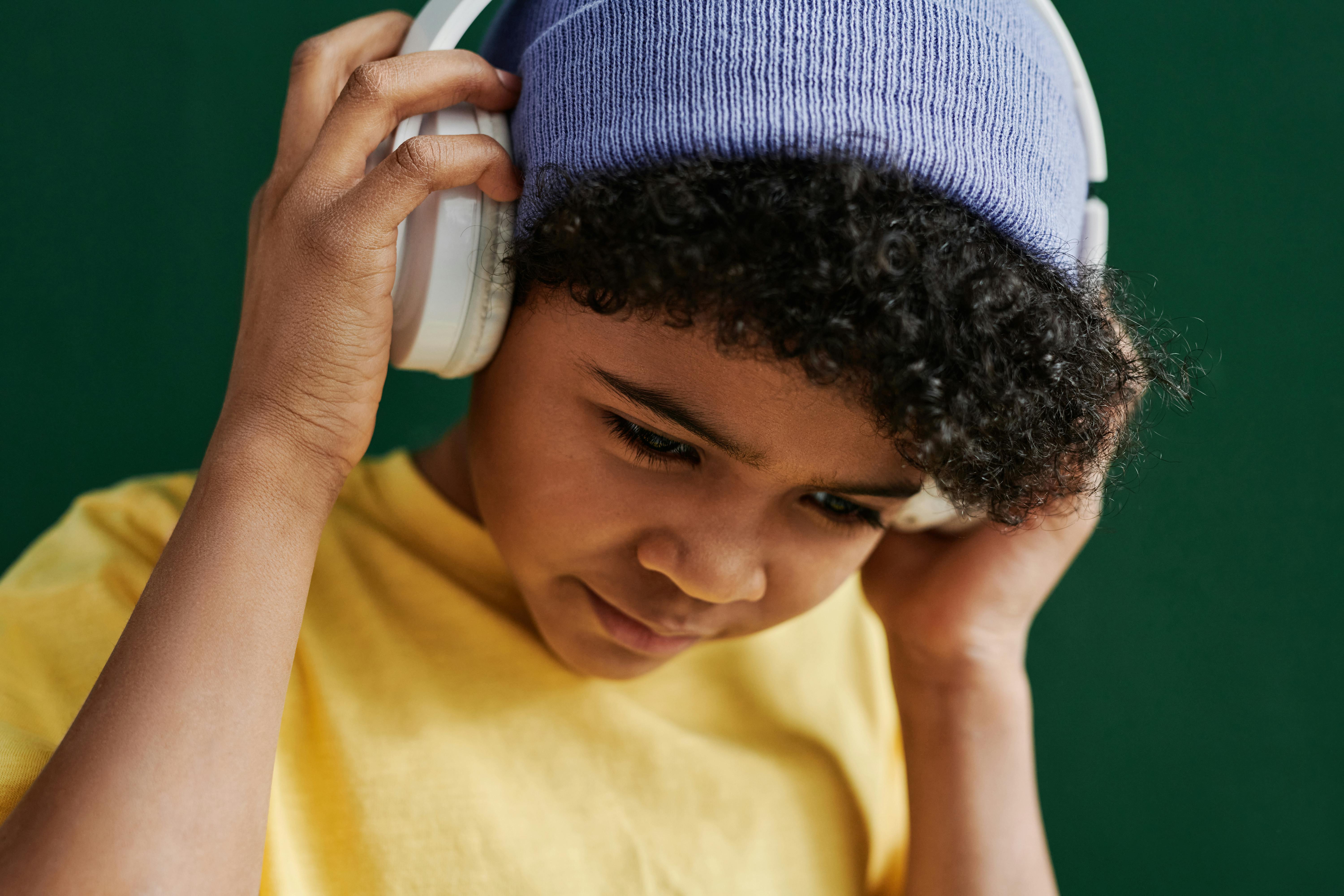
Once upon a time, children gathered around radios for stories.
Today, Gen Alpha—kids born after 2010—are rediscovering the joy of audio, but in a completely new way.
With smart speakers in homes, voice assistants in phones, and interactive audio devices like Vobble, listening has made a big comeback. Only now, it’s smarter, more creative, and deeply engaging.
So why is audio rising amongst kids today? And what does this mean for how children are learning, playing, and exploring their world?

Image from Freepik
Several overlapping trends are fueling the resurgence of audio as a go-to format for young audiences.
Gen Alpha is growing up talking to technology. From asking Alexa the weather to setting timers with Google Assistant, they are becoming fluent in voice interaction.
Audio allows kids to learn and play while moving, drawing, traveling, or even getting ready for bed. It's not locked to flashy visuals—and that opens up entirely new contexts for engagement.
From dramatized podcasts and interactive story games to AI-powered conversations with characters, the kids' audio ecosystem has evolved far beyond simple songs or lullabies.
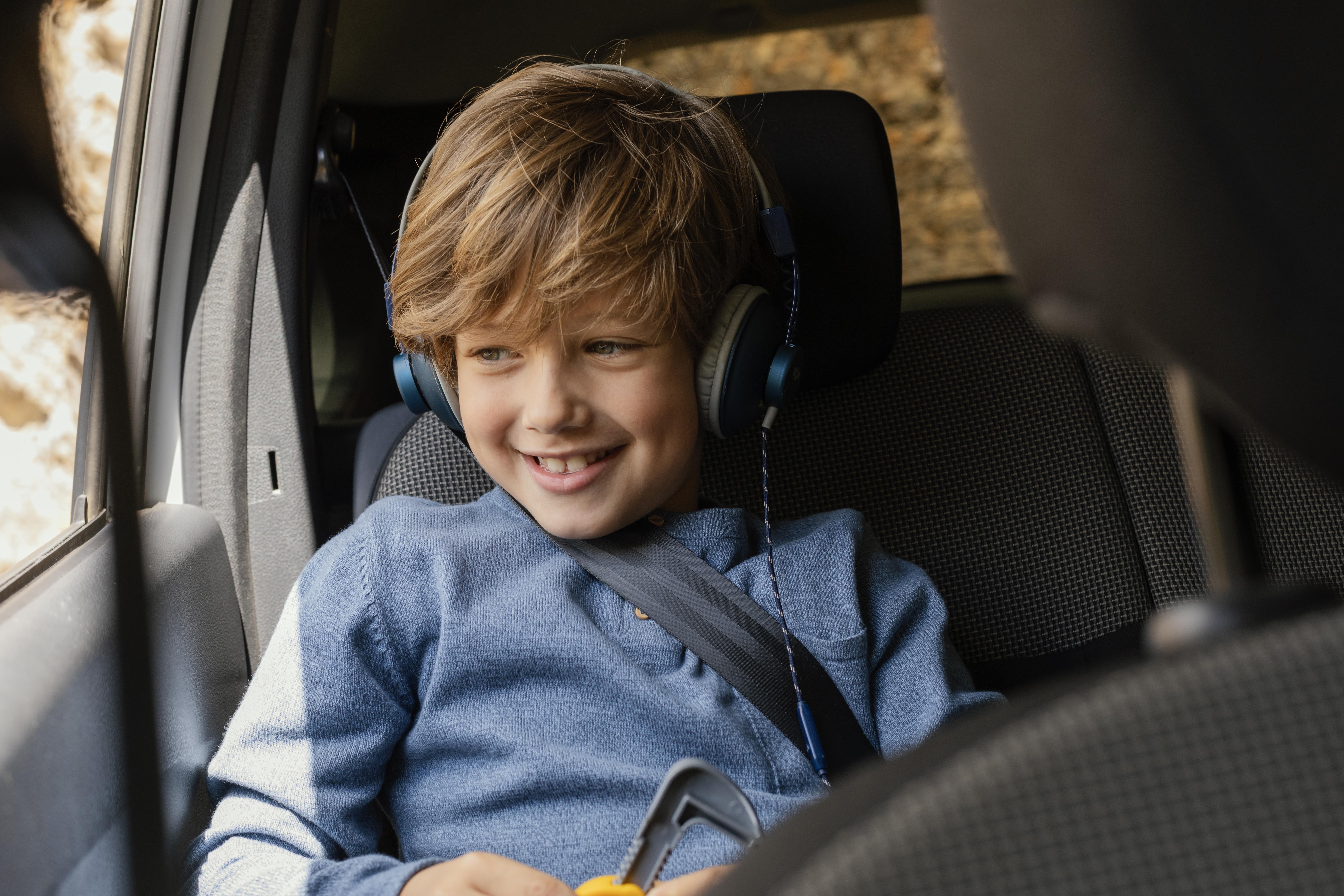
Image from Freepik
According to a 2023 report by Edison Research:
Unlike video, where the story is visually delivered, audio asks kids to build the world in their imagination. That act of internal creation is key to developmental growth.
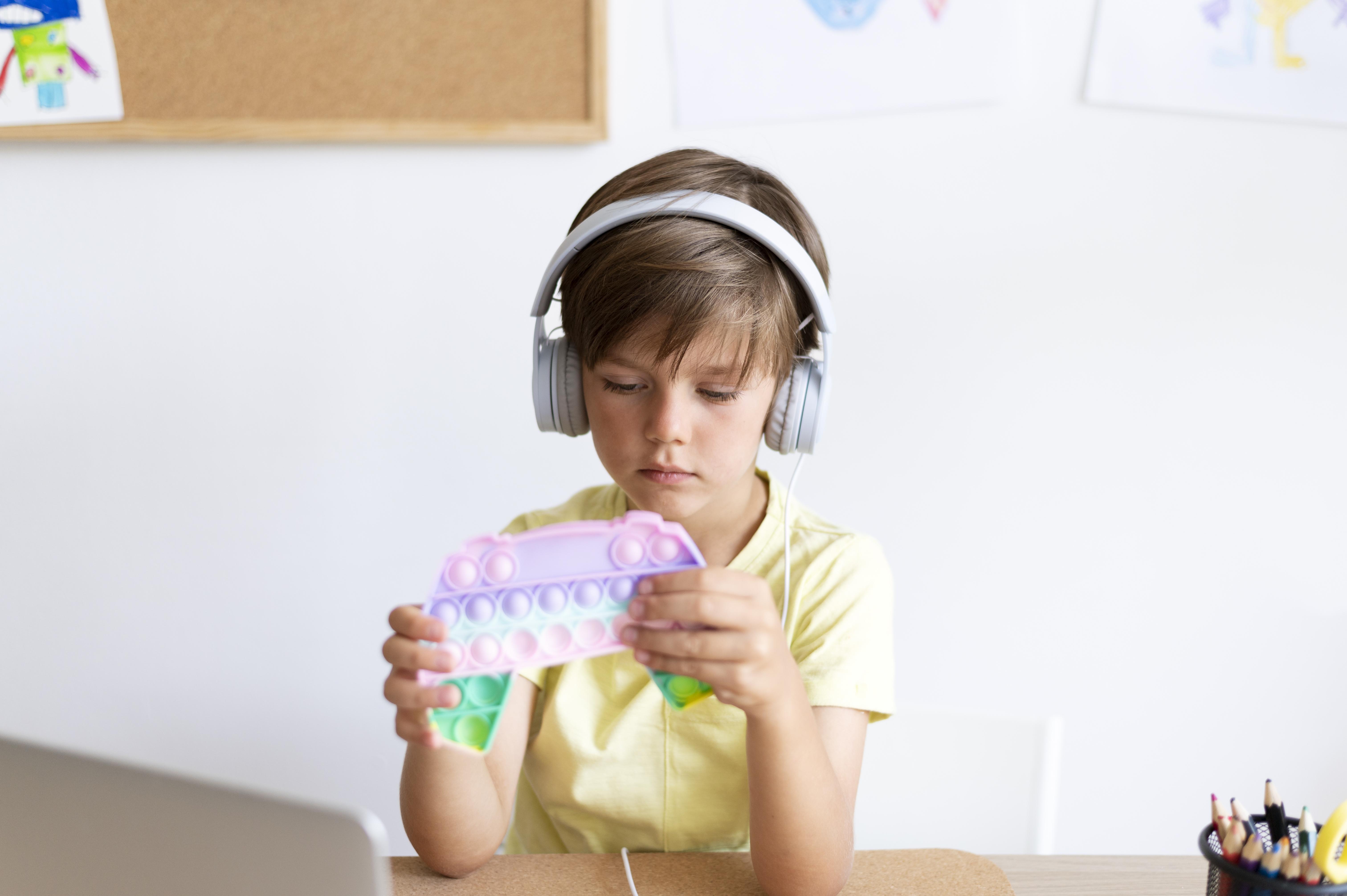
Image from Freepik
It has several benefits as listed below -
1. Audio Boosts Cognitive Skills
2. Audio Engages More of the Brain
According to a 2018 study by University College London, audio storytelling activates brain regions tied to language, emotion, and visualization more intensely than watching videos.
With interactive audio, kids aren't just listening—they're choosing story paths, solving mysteries, and chatting with characters, which encourages autonomy.
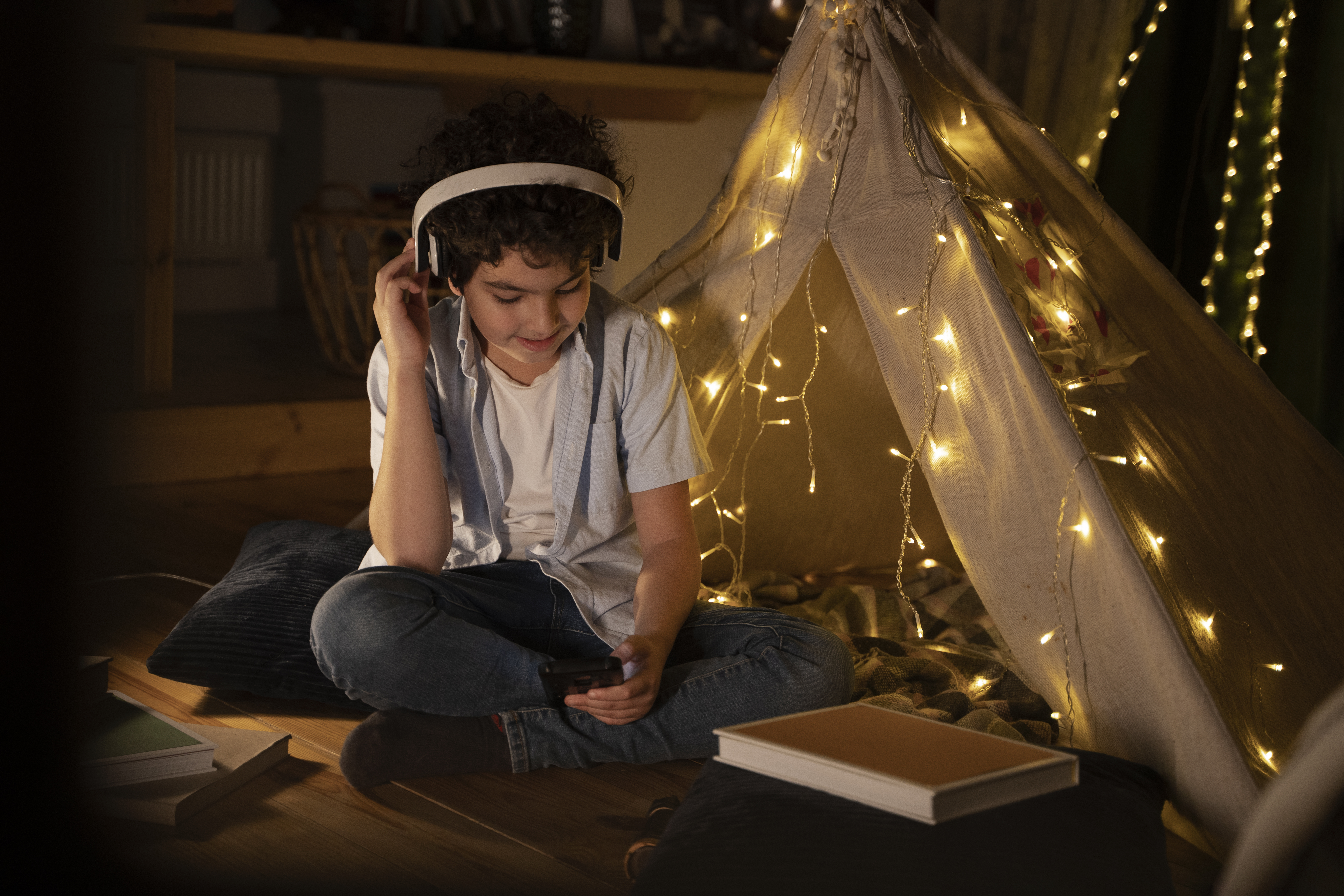
Image from Freepik
The rise in children’s audio content has also brought more diversity in formats. Below are some of the most popular types:
Fully voiced audio dramas that sound like movies for the ears—complete with music, characters, and immersive sound design.
Think choose-your-own-adventure, but powered by audio. Kids make decisions that shape the story in real-time.
Voice AI enables smart, character-driven conversations. Kids can ask a robot how volcanoes erupt—or play a riddle game with a pirate.
Timeless stories like Pinocchio, The Wizard of Oz, and The Jungle Book are being reimagined with voiceovers, music, and new interactive layers.
Many families are building audio into their routines—naturally, not as a “tech solution,” but as something enjoyable and enriching.
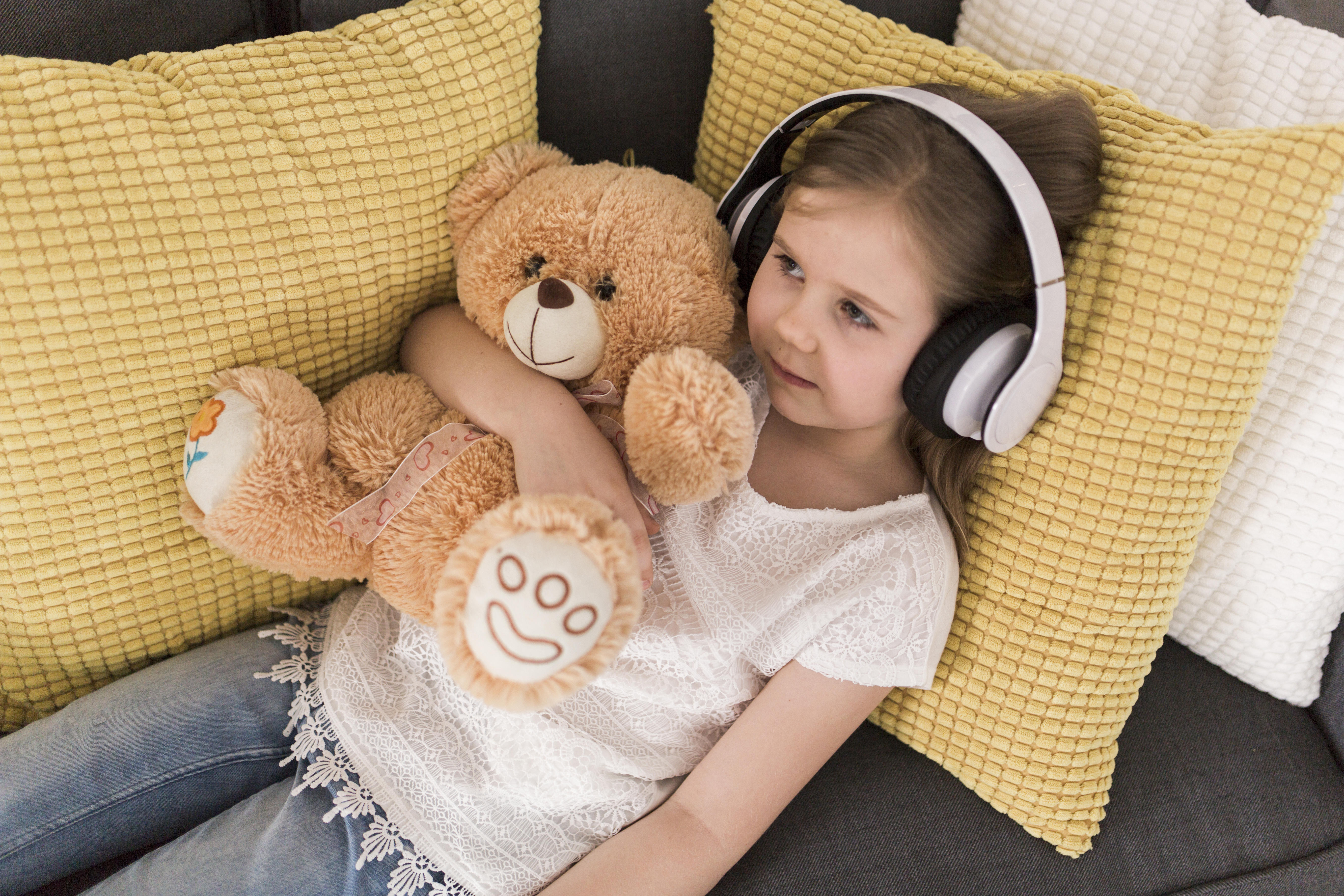 Image from Freepik
Even when parents are cautious about too much tech, audio often makes the cut. Here's why:
Audio stimulates the mind without overloading the senses. Perfect for winding down.
Unlike fully visual-dependent apps, kids can listen during daily routines—no hand-holding required.
Audio play encourages kids to invent voices, imagine places, and think narratively—all crucial early skills.
As more families embrace audio as a meaningful part of childhood, Vobble is creating something designed specifically for kids. Our upcoming autonomous audio device for kids will:
This device isn’t just a player—it’s a pocket-sized audio playground for today’s voice-native kids.
The rise of audio among Gen Alpha is more than a trend—it’s a return to an ancient, deeply human way of learning and storytelling, now enhanced with modern technology.
Long before screens, we learned through voice, rhythm, and narrative.
Now, with the help of smart, intentionally designed tools, we're seeing that mode of engagement come full circle—reshaped to meet the needs of today’s curious, connected kids.